Full-Stack Cybersecurity Program in Surat with Placement Assistance
Full-Stack Cybersecurity Program Overview
Full-Stack Cybersecurity Program Curriculum
- Network & its types
- Networking devices
- Networking media
- Network topology
- TCP/IP Model (Overview)
- OSI Model
- OSI layers & associated protocols
- Binary numbering system
- IP address classes, types & categories
- IPv4 subnetting & VLSM
- IPv6 introduction & assignment methods
- Routing concepts & types
- Static routing, RIP, EIGRP, OSPF, BGP
- Gateway redundancy (HSRP)
- Ethernet VLANs
- DHCP working & Server configuration
- IIS Services, FTP & Web Services
- DNS name resolution & configuration
- Resource sharing in Windows & Mapping drives
- Remote Desktop & Telnet
- Windows CLI tools, WAN, VPN & NAT
- Wireless LAN concepts & deployment
- POP3, IMAP & Outlook configuration
- Windows Firewall, ACLs & Layer-wise troubleshooting
- Windows Server installation
- Managing users, groups, and profiles
- Installing Active Directory & DC Demotion
- Logon permissions, Logon To & Logon Hours
- Domain-based password policy
- Software deployment & restriction policy
- RHEL 8.3 installation & Network commands
- Shutdown, reboot, & Root user switching
- Home directories & Password management
- vi editor & File/Directory operations
- Creating/Deleting users & Sudo permissions
- Permission values, umask & chmod usage
- Process listing, Jobs mgmt & Priority
- systemctl service management & SSH
- YUM Server, Web Server & Firewall mgmt
- Hacking mindset & Stages of hacking
- Virtualization (VMware) & Kali Linux setup
- Linux terminal & commands for hackers
- Wi-Fi security & cracking
- ARP spoofing & MITM attacks
- ARP attack detection & prevention
- Metasploitable 2 & Windows VM exploitation
- Metasploit framework usage
- Shellter & Client-side exploits
- Social engineering techniques
- Maltego reconnaissance & Twitter OSINT
- Email spoofing & Attacks outside LAN
- Encryption, Hashing, Hashcat & John the Ripper
- Web Reconnaissance & File upload vulnerabilities
- LFI, SQL Injection (Manual & Tools)
- XSS (Stored & Reflected)
Full-Stack Cybersecurity Program Outcomes
A comprehensive path from core networking to professional ethical hacking.
Network+ & CCNA Basics
Network Security FoundationMaster the fundamentals of networking, IP addressing, routing, and switching using Cisco technologies—the backbone of security.
Windows Server & Administration
Server ManagementLearn to manage enterprise-level systems, Active Directory, user policies, and Windows Server security configurations.
Linux Fundamentals
Security OS MasteryDeep dive into the Linux CLI, file systems, and permissions. Essential for any cybersecurity professional and penetration tester.
Ethical Hacking Core
Security SpecialistLearn the methodology of ethical hacking: footprinting, scanning, vulnerability analysis, and securing systems from attacks.
Career Path – Full-Stack Cybersecurity Foundation
Secure your future by moving from Network Support to Advanced Cyber Defense roles.
Junior Network & Security Associate
Building Core Infrastructure KnowledgeUnderstand how data moves securely. Focus on configuring routers/switches, managing IP addresses, and troubleshooting network connectivity.
System Administrator / Security Analyst
Securing Operating SystemsManage enterprise servers and open-source environments. Apply security policies, manage users, and secure the server environment from internal threats.
Ethical Hacker / Penetration Tester
Offensive & Defensive SecurityConduct vulnerability assessments, identify security loopholes, and perform ethical hacking to protect the organization from real-world cyber attacks.
Showcase Your Skills & Certification
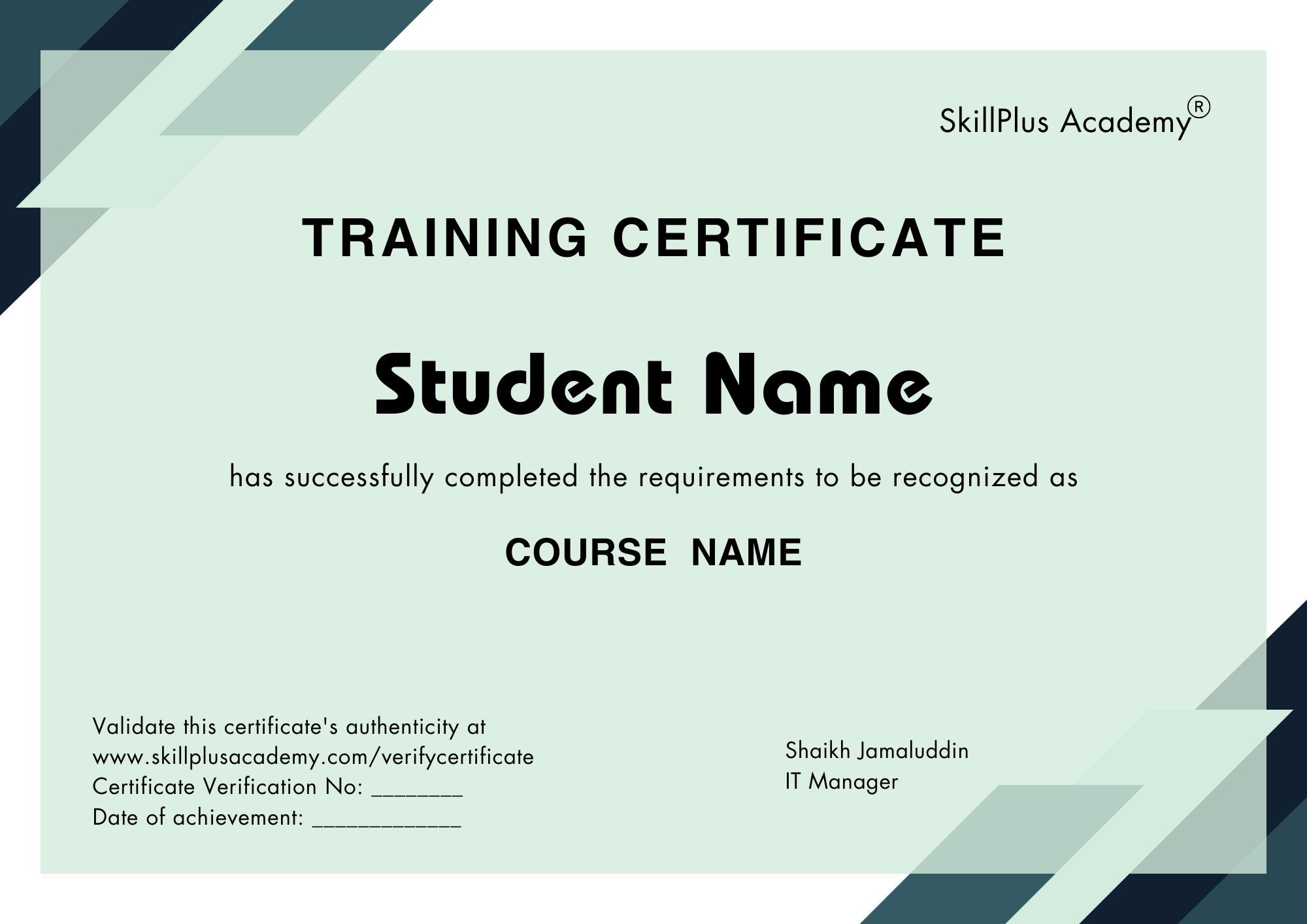
Fast-track promotions and leadership roles.
Credentials trusted by top employers.
Add certificates to LinkedIn instantly.
Get noticed for high-growth roles.
Hands-on projects and real-world learning.
Connect with learners and mentors.
Full-Stack Cybersecurity Program FAQs
- Networking: How computers connect (Network+ and CCNA basics).
- Windows Server: Managing office servers and users.
- Linux: Learning the powerful command-line operating system.
- Ethical Hacking: How to find and fix security gaps to stop hackers.
No. This course starts from the very basics. You don’t need any prior coding knowledge. We teach you everything from scratch.
You can apply for several roles, such as:
IT Support or Desktop Engineer
Network Engineer
System Administrator
Junior Ethical Hacker or Security Analyst
The focus is on hands-on practicals. You will work in a lab environment where you will actually set up networks, manage servers, and practice hacking techniques in a safe way.
Most IT jobs today require security knowledge. By learning Networking, Systems, and Hacking together, you become a “Full-Stack” professional, which leads to better job roles and higher salary packages.
Yes, you will receive a certificate that proves your skills in Cybersecurity and IT Infrastructure, helping you stand out during job interviews.