RedHat Linux Course in Surat | RHCSA Training with Placement
India: INR, Abroad: USD.
RedHat Linux Course Overview
RedHat Linux Course Curriculum
- What is Linux?
- Red Hat Enterprise Linux 9 Installation
- Accessing the Command Line
- Accessing the Command Line Using the Desktop
- Executing Commands Using the Bash Shell
- Describing Linux File System Hierarchy Concepts
- Managing Files Using Command-line Tools
- Making Links between Files
- Reading Manual Pages
- Reading Info Documentation
- Editing Text Files from the Shell Prompt
- Changing the Shell Environment
- Input-Output Redirection and Text Analysis
- Using redirection operators (>, >>, |, 2>, etc.)
- Using grep and regular expressions to analyze text
- Describing User and Group Concepts
- Gaining Superuser Access
- Managing Local User Accounts
- Managing Local Group Accounts
- Managing User Passwords
- Create/delete/modify users/groups; change passwords/aging; configure superuser access
- Managing File System Permissions from the Command Line
- Managing Default Permissions and File Access
- List, set, change ugo/rwx permissions; diagnose/correct permission problems
- Listing Processes
- Controlling Jobs
- Killing Processes
- Monitoring Process Activity
- Identify CPU/memory intensive processes and adjust scheduling
- Identifying Automatically Started System Processes
- Controlling System Services
- Start, stop, and check status of network services
- Accessing the Remote Command Line with SSH
- Configuring SSH Key-based Authentication
- Customizing OpenSSH Service Configuration
- Access remote systems via SSH; configure key-based auth; log in/switch users
- Describing System Log Architecture
- Reviewing Syslog Files
- Reviewing System Journal Entries
- Maintaining Accurate Time
- Describing Networking Concepts
- Validating Network Configuration
- Configuring Networking from the Command Line
- Configuring Host Names and Name Resolution
- Configure IPv4/IPv6 addresses; hostname resolution; auto-start network services
- Managing Compressed tar Archives
- Transferring Files between Systems Securely
- Synchronizing Files between Systems Securely
- Archive/compress/unpack with tar, gzip, bzip2; securely transfer files
- Registering Systems for Red Hat Support
- Explaining and Investigating RPM Software Packages
- Installing and Updating Software Packages with DNF
- Enabling DNF Software Repositories
- Identifying File Systems and Devices
- Mounting and Unmounting File Systems
- Locating Files on the System
- Create, mount, unmount, use VFAT, ext4, xfs; mount by UUID/label at boot
- Analyzing and Managing Remote Servers
- Getting Help from Red Hat Customer Portal
- Writing Simple Bash Scripts
- Scheduling a Deferred User Job
- Scheduling Recurring User Jobs
- Scheduling Recurring System Jobs
- Managing Temporary Files
- Schedule tasks using at and cron
- Adjusting Tuning Profiles
- Influencing Process Scheduling
- Interpreting File ACLs
- Securing Files with ACLs
- Changing the SELinux Enforcement Mode
- Controlling SELinux File Contexts
- Adjusting SELinux Policy with Booleans
- Investigating and Resolving SELinux Issues
- Set enforcing/permissive modes; list/identify contexts; restore defaults; manage port labels; use booleans
- Manage Default File Permissions
- Adding Partitions, File Systems, and Persistent Mounts
- List, create, delete partitions on MBR/GPT disks
- Creating Logical Volumes
- Extending Logical Volumes
- Create/remove physical volumes; assign to volume groups; add partitions/logical volumes/swap
- Mounting Network-Attached Storage with NFS
- Configuring SMB Server
- Mount/unmount NFS; configure autofs
- Selecting the Boot Target
- Resetting the Root Password
- Repairing File System Issues at Boot
- Boot, reboot, shut down normally; boot to targets manually; interrupt boot for access
- Managing Server Firewalls
- Controlling SELinux Port Labeling
- Restrict access using firewalld/firewall-cmd
- Automating Installation with Kickstart
RedHat Linux Course Outcomes
See what you will be able to do step‑by‑step after completing this RHCSA course.
System Administration Fundamentals
- Install Red Hat Enterprise Linux 9 and understand system architecture.
- Access the system using local console and remote SSH.
- Manage users, groups, passwords, and sudo privileges.
File Systems & Storage Management
- Create, mount, and manage file systems (ext4, xfs).
- Configure LVM (Logical Volumes, Volume Groups, Physical Volumes).
- Set up partitions using parted/gdisk and manage swap space.
Networking & Security Basics
- Configure network interfaces, IP addresses, and hostname.
- Manage firewalld zones, services, and rules.
- Implement SELinux contexts and manage basic permissions.
Advanced Services & Automation
- Deploy and configure services like HTTP, NFS, Samba, and NTP.
- Manage systemd services, units, and timers.
- Prepare for RHCSA 9 exam (EX200) and real-world Linux admin roles.
RedHat Linux Course Roadmap
Follow a clear path from basic Linux knowledge to expert Red Hat system administration and RHCSA certification.
Master Installation & System Basics
- Install Red Hat Enterprise Linux 9 and configure boot options.
- Manage users, groups, passwords, sudo, and file permissions.
- Access systems via console, SSH, and basic command-line tools.
File Systems & Storage Management
- Create, mount, and manage file systems (ext4, xfs).
- Configure LVM (Physical Volumes, Volume Groups, Logical Volumes).
- Set up partitions, swap, and basic storage troubleshooting.
Networking & Security Fundamentals
- Configure network interfaces, IP addresses, hostname, and DNS.
- Manage firewalld zones, services, ports, and rules.
- Implement SELinux contexts, policies, and troubleshooting.
Services, Automation & Troubleshooting
- Deploy and manage services (HTTP, NFS, Samba, NTP) with systemd.
- Automate tasks with shell scripts and basic Ansible playbooks.
- Prepare for RHCSA 9 exam (EX200) and Linux admin roles.
RedHat Linux Career Path
A strategic guide to your roles, skills, and earning potential in Red Hat Linux administration.
The Foundation Phase
Role: Junior Linux Administrator / IT Support EngineerInstall RHEL, manage users/groups, file permissions, and basic networking. Gain hands-on experience with command-line tools, file systems, and package management.
The Specialist Phase
Role: Linux System Administrator / RHCSA EngineerManage advanced storage (LVM, partitions), networking (firewalld, SELinux), and services (NFS, Samba, HTTP). Troubleshoot system issues and automate tasks.
The Strategic Phase
Role: Senior Linux Administrator / DevOps EngineerDesign enterprise Linux solutions, implement automation (Ansible), and manage hybrid environments (RHEL + OpenShift/AWS). Prepare for RHCE and advanced certifications.
Showcase Your Skills & Certification
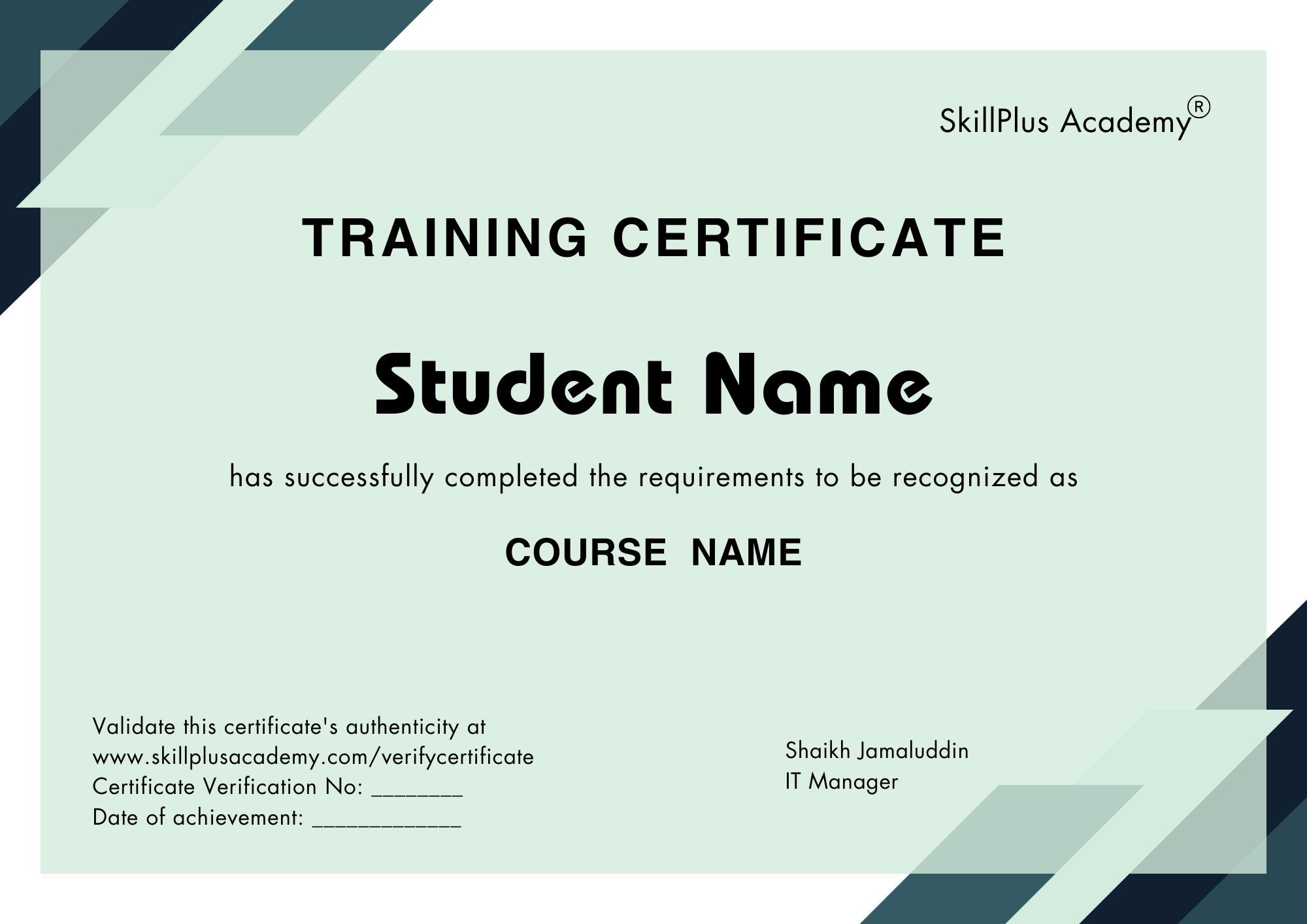
Fast-track promotions and leadership roles.
Credentials trusted by top employers.
Add certificates to LinkedIn instantly.
Get noticed for high-growth roles.
Hands-on projects and real-world learning.
Connect with learners and mentors.
RedHat Linux Course FAQs
The RHCSA certification validates essential skills in Linux system administration using Red Hat Enterprise Linux 9 (RHEL 9). It’s ideal for IT professionals pursuing RHCSA training to manage user accounts, file systems, networking, security, and automation tasks in enterprise environments.
RHCSA training is perfect for beginners to intermediate IT admins, system engineers, or anyone aiming for the Red Hat Certified System Administrator credential. No prior Linux experience is required, but basic IT knowledge helps in mastering RHEL 9 system administration through our hands-on course.
Our comprehensive RHCSA training covers core RHEL 9 skills, including user and group management, file system administration, essential networking services, security configurations with SELinux, storage management, and Bash scripting for automation—aligning directly with the official Red Hat exam blueprint.
SkillPlus Academy’s RHCSA training includes practical labs, exam simulations, and guidance on the performance-based EX200 exam. We focus on real-world scenarios in Linux system administration to ensure you’re ready for the RHEL 9 certification, with flexible online and offline options for effective preparation.
The RHCSA certification opens doors to roles like Linux administrator, systems engineer, or DevOps specialist, with high demand in enterprise IT. Our training equips you with proven RHEL 9 skills, boosting employability and salary potential in the growing field of Linux system administration.
Yes! SkillPlus provides 100% placement support after RHCSA.